Why Island Locations Are Ideal for Learning Scuba Diving
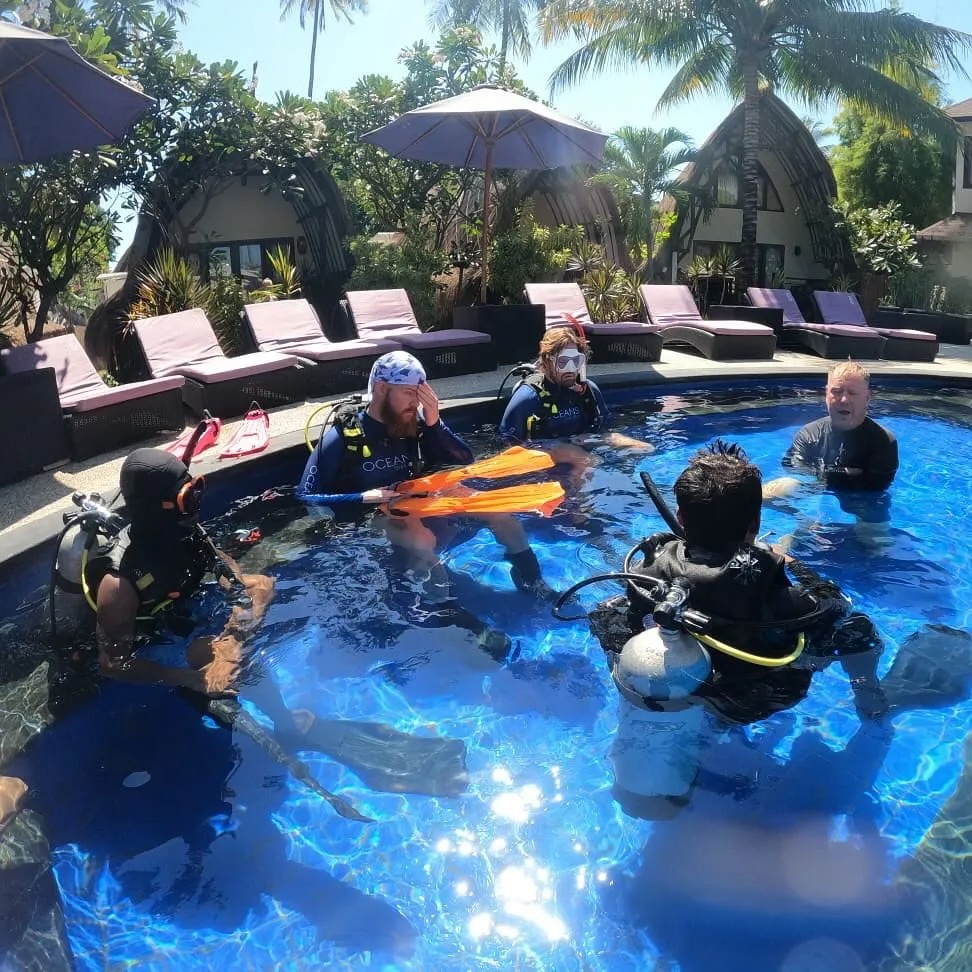
Choosing the right location plays a major role in scuba diving education. Where you learn affects safety, confidence, and how easily skills transfer into real dives. Inland locations often rely on limited water access, while coastal areas can involve busy harbours and changing conditions. Island environments, however, offer a more focused and controlled setting.
Islands provide natural advantages such as calmer waters, clearer visibility, and easy access to multiple dive sites. Logistically, travel time to dive locations is shorter, allowing more time for practice. Psychologically, the relaxed island atmosphere helps beginners feel less pressured. These combined factors often make island locations ideal learning environments for new scuba divers.
Natural Water Conditions That Support Beginner Divers
Natural water conditions play a key role in how easily new divers learn. Island environments often provide stable and predictable conditions, which reduce stress and improve safety during training.
Calm Seas and Predictable Dive Environments
Compared to open coastlines, islands usually experience reduced wave action. Many dive sites are sheltered from strong winds and swell, creating smoother surface conditions. This stability helps beginners enter and exit the water more comfortably. Consistent conditions also allow students to focus on learning core skills instead of managing rough water or strong surge.
Clear Water and Improved Visibility
Islands are often surrounded by clear water, which improves underwater visibility. Better visibility boosts confidence and helps divers maintain orientation. It also allows instructors to demonstrate skills clearly and supervise students more effectively. When students can see what is happening around them, learning becomes calmer and more controlled.
Shallow Reefs and Gradual Depth Progression
Shallow dive sites are ideal for beginner scuba training. Island locations often have reefs that start in very shallow water and slowly slope deeper. This natural layout allows students to enter the water safely and build comfort step by step.
Gradual depth progression supports better buoyancy practice because students can adjust slowly without sudden pressure changes. It also helps beginners become more aware of air consumption, as shallow dives are less demanding and easier to control. Skills such as mask clearing and regulator recovery can be repeated without stress.
As depth increases gradually, students gain confidence at their own pace. This approach supports safer learning, reduces anxiety, and allows instructors to introduce new challenges only when students are ready.
Concentrated Marine Life Enhances Learning Motivation
Island reefs often support rich marine life because they are surrounded by healthy ecosystems. Fish, coral, and other sea creatures are commonly seen even during beginner dives.
Early marine encounters increase student engagement and excitement. Seeing marine life helps reduce anxiety and shifts focus away from nervousness. Students become more relaxed and curious, which improves learning.
This emotional connection to the underwater environment becomes a powerful learning tool. When students enjoy what they see, they stay calm, attentive, and motivated throughout their training.
Logistical Advantages of Island-Based Dive Training
Island locations offer clear logistical benefits that support effective scuba training. One of the biggest advantages is the short travel time to dive sites. Boats usually reach training locations within minutes, which reduces fatigue and keeps students focused.
Less time spent traveling means more time is available for learning. Instructors can plan multiple training dives in a single day without rushing. This also makes it easier to schedule skill refresh sessions if a student needs extra practice. Repetition within the same day improves retention and confidence.
Compact island layouts support structured scheduling. Equipment preparation, briefings, diving, and debriefings all happen close together. This creates a smooth learning flow without unnecessary delays. Because of these efficiencies, structured programs such as dive courses Gili Islands benefit from compact island logistics that support consistent training routines and better learning outcomes for beginner divers.
Immersive Learning Environment Away From Daily Distractions
Island settings create an immersive learning environment that helps students stay focused. Away from busy cities and daily responsibilities, students can fully concentrate on their training. Reduced urban noise and lower stress levels make it easier to absorb new information.
Most students stay close to dive centers and training sites, which removes long commutes and scheduling pressure. This close proximity supports better learning routines. When training becomes part of daily life, skills are practiced with more attention and consistency.
Immersion leads to better skill retention, faster confidence development, and stronger dive habits. Students feel less rushed and more present, which improves overall performance underwater.
Consistent Practice Opportunities in a Short Timeframe
Island locations make it easy to practice diving on consecutive days. Regular diving allows skills to be reinforced before they are forgotten. Repetition helps movements become natural and controlled.
Continuous exposure to the water supports faster progression. Instructors can provide immediate feedback after each dive, and students can apply corrections right away. This cycle of practice and feedback strengthens learning. Islands are well suited for intensive training schedules because logistics, conditions, and lifestyle all support consistent daily diving.
Safety Benefits of Controlled Island Dive Zones
Many island dive locations operate within clearly defined dive zones. These areas are designed to support safe diving and are commonly used for training. Lower boat traffic in many island zones reduces the risk of surface hazards for beginners.
Weather and current patterns around islands are often easier to monitor and predict. This allows instructors to choose the safest sites each day. Controlled environments help new divers focus on skills without dealing with heavy traffic or unpredictable conditions. By reducing external risks, island dive zones create a safer learning space for beginners.
Long-Term Skill Development Benefits of Island Training
Training in island environments supports strong long-term skill development. Divers often develop better buoyancy control and environmental awareness from the start. Comfort in open water improves because students train in real conditions early.
This foundation shapes responsible diving habits and calm decision-making. Early island training also supports a smoother transition into advanced or specialty diving later, as divers already feel confident and capable in open water settings.
Reference Information
The following information is provided solely for background reference and general industry context. It does not constitute a recommendation or promotional endorsement and is included only to illustrate how island-based dive training operations may be structured.
Business Name:
PADI IDC Gili Trawangan – Gili Islands – Indonesia
Address:
Main Beach Road, Gili Indah, Gili Trawangan, Kabupaten Lombok Utara, Nusa Tenggara Barat 83355
Phone:
+62 821 4785 0413
PADI IDC Gili Trawangan is an example of an island-based dive training operation used here strictly for industry context. It represents how professional scuba education may be delivered in established island locations through structured training schedules, access to nearby open water dive sites, and experienced instructional supervision. The operation illustrates how island environments can support consistent skill development, practical open water exposure, and organised learning pathways within the recreational and professional diving sector, without implying recommendation or endorsement.
Why Islands Create an Effective Learning Environment for New Divers
Island locations offer a unique combination of natural conditions, logistical convenience, and immersive surroundings that strongly support the scuba diving learning process. Calm waters, clear visibility, shallow reefs, and concentrated marine life help beginners build confidence while focusing on essential skills. Short travel distances and controlled dive zones allow for consistent practice and structured progression without unnecessary stress or time loss. Just as importantly, the distraction-free nature of island environments encourages deeper focus, better skill retention, and stronger comfort underwater. Together, these factors make island settings especially well suited for learning scuba diving safely, efficiently, and with long-term benefits that extend beyond initial certification. New divers often feel nervous before their first ocean dive. “How Scuba Diving Trainers Prepare Students for Open Water” explains how skills, confidence, and safety awareness are built step by step. Learn what happens before students enter real dive conditions. Option 2: